
Parents: supporting without adding pressure.

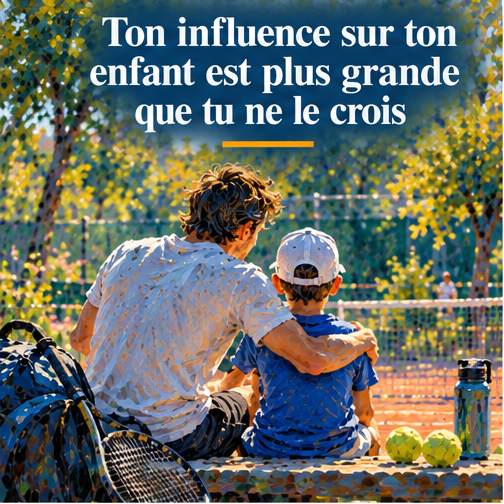
Your influence on your child is greater than you think.
On court as much as courtside.
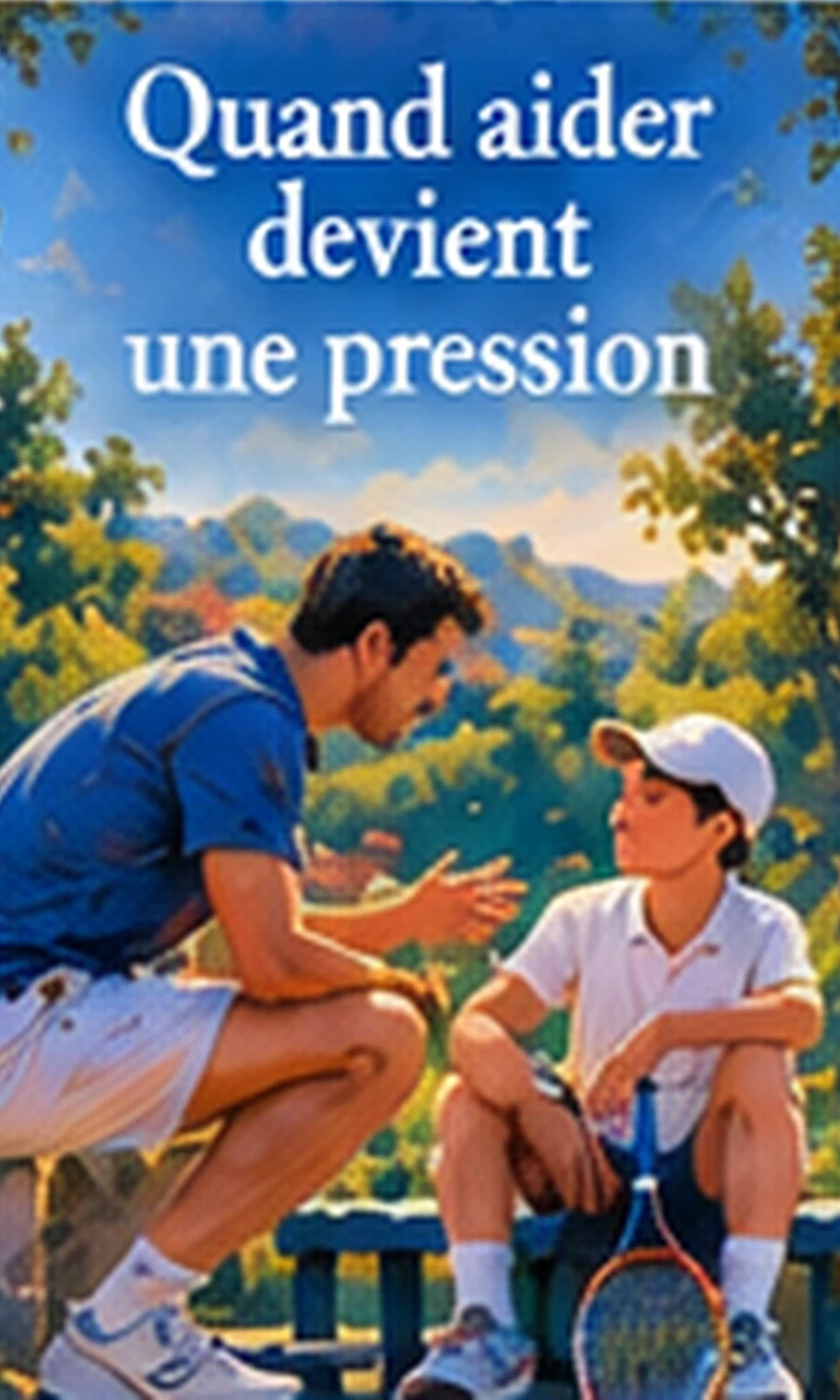
Wanting to help can quickly turn into pressure. Help less, support better: that’s often where everything changes.
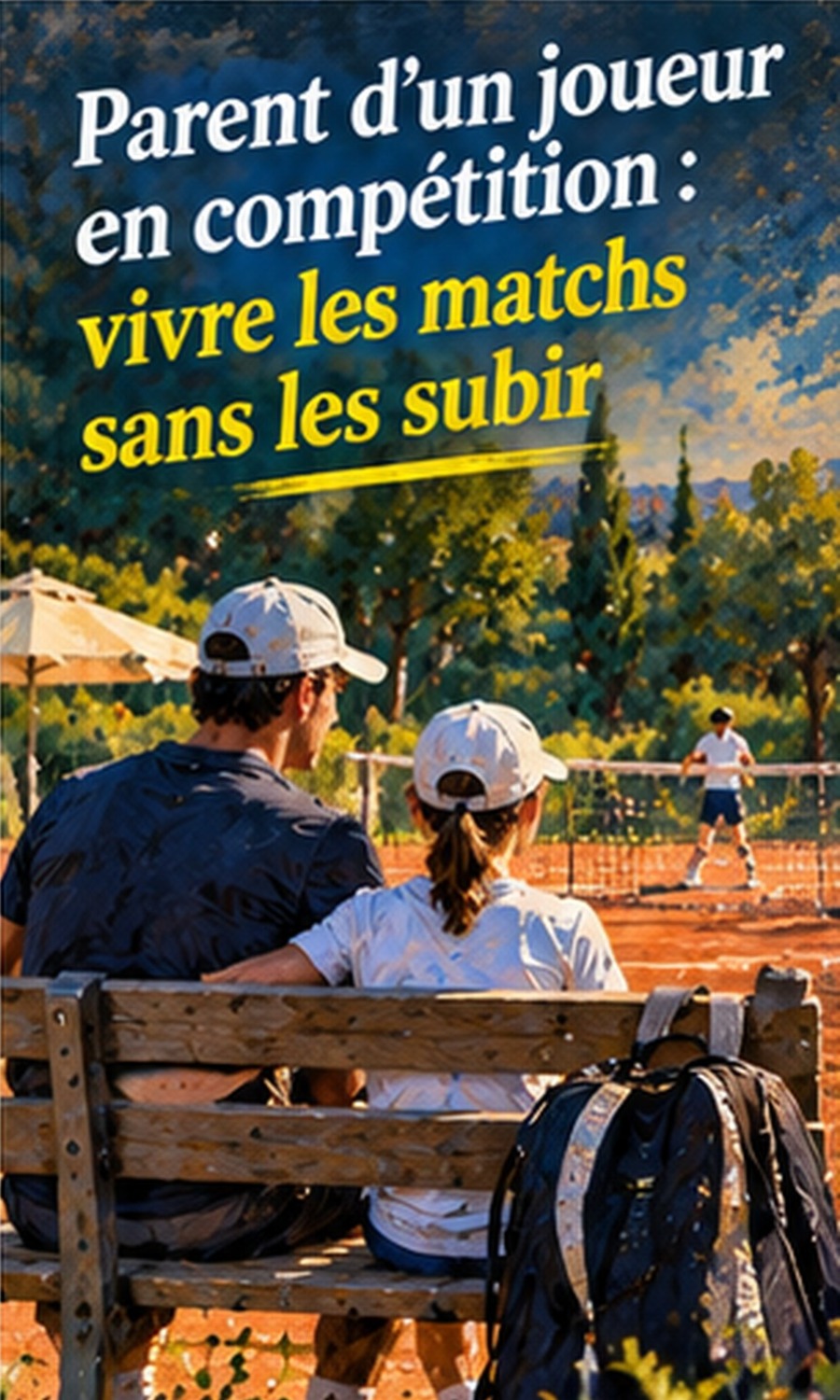
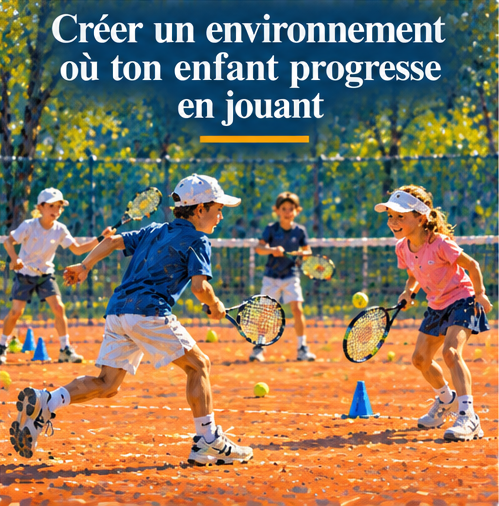
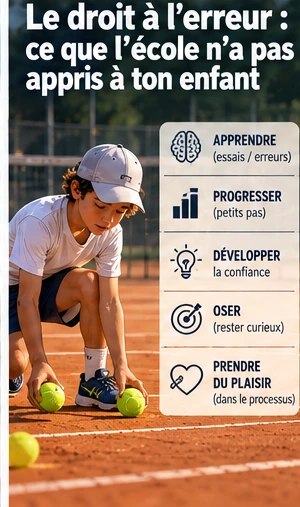
Here, you learn to live their matches without being overwhelmed by them, to give them the right to make mistakes, and to create an environment where they improve by playing.
I pay particular attention to how children experience competition. My intention is to help you prepare for these moments with them: what they want to try, the place you take courtside and how to welcome a win as well as a defeat. Rather than only asking whether they won, you can ask what they discovered and what they’d like to try again. The aim is to give them room to grow, with your support.
Observe before you pass things on
Before advising your child, take the time to recognise the habits and expectations we sometimes pass on without realising it.
Culture: understanding what shapes the way we support our children
Supporting without smothering
Giving your child an environment where they can grow, gain confidence and follow their own path. Seven reads to help you find your rightful place.
Reads to support you



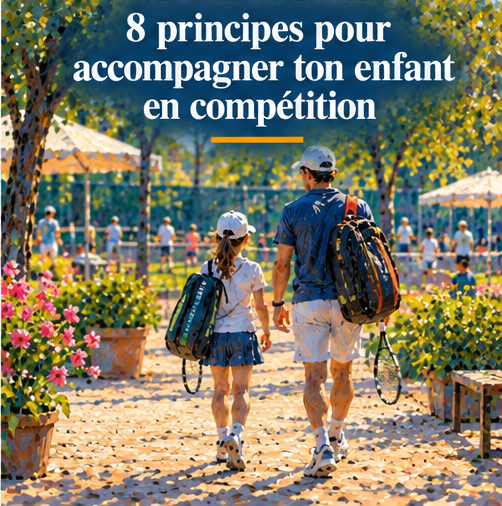
After a match, what’s the first thing you say to your child?
Choose the answer that sounds most like you.
Thanks for your answer. The tab that suits you has just opened below.
To help your child play more freely, get the free guide “The 3 tensions that sabotage your tennis”: 3 simple tests to do together.
Limiting beliefs
Some beliefs seem obvious, until the day you look at them differently.
To explore further, discover the articles below and choose what speaks to you.
Communicate better with your child
The words that help them, the ones that make them tense, and how to talk about the match afterwards.
To explore further, discover the articles below and choose what speaks to you.
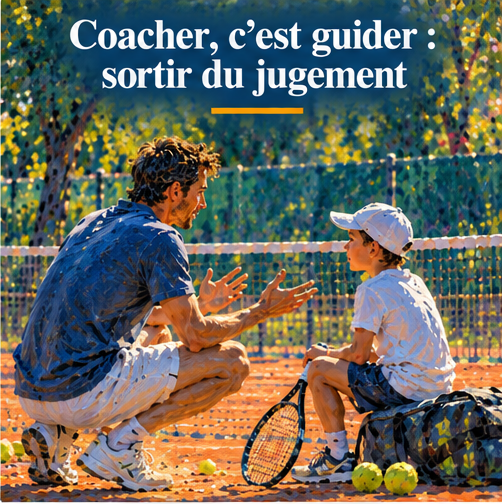
Techniques for staying calm
Staying calm courtside, so your calm becomes theirs.
To explore further, discover the articles below and choose what speaks to you.
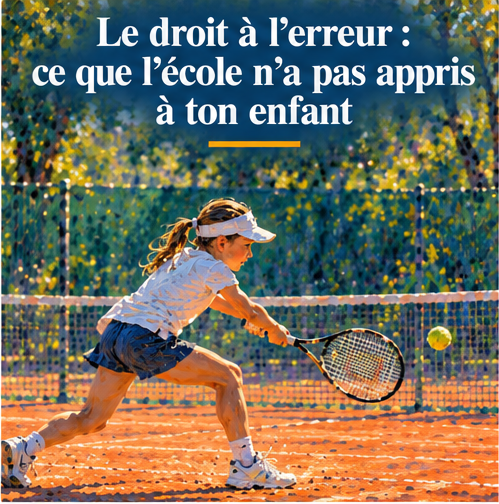
Games on court
Games to share with your child, to learn while having fun.
To explore further, discover the articles below and choose what speaks to you.
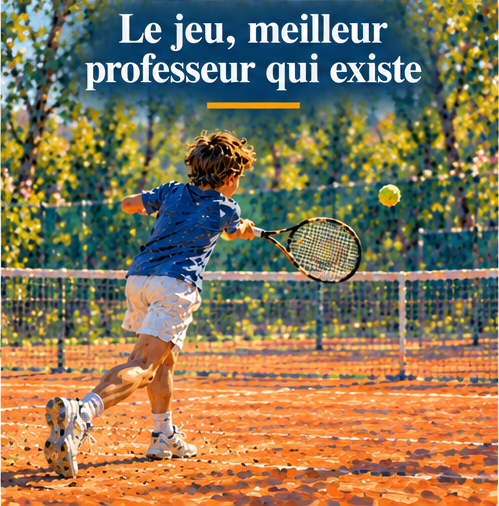

Winning routines
Before, during and after the match: simple cues for the whole family.
To explore further, discover the articles below and choose what speaks to you.
Eat well
The fuel for a young player who’s growing and playing.
To explore further, discover the articles below and choose what speaks to you.
To explore this topic:
Recover well
Sleep, rest, and the balance between tennis and the rest of their life.
To explore further, discover the articles below and choose what speaks to you.
Equipment
Level before age. The ball, the court size and the racket need to go together. With a red ball on a smaller court with a lowered net, try 19 or 21 inches. With an orange ball on an 18-metre court, a 23-inch racket helps with handling and first feelings of spin.
Don’t move up to 25 inches too quickly. Wait until the child can regularly string together three to five shots, ideally five, with the orange ball, and is starting to vary the spin. Your child’s height and ease are things to observe on court with their coach.
On a full-size court, the green ball lets them keep building rallies before moving to the yellow ball. Shoes suited to side-to-side movement complete the kit. Equipment should make them want to play, not force the child to compensate.
To explore further, discover the articles below and choose what speaks to you.
And you, how do you experience your child’s matches?
The 3 tensions that sabotage your tennis
Get the free guide: 3 thirty-second tests and 3 simple exercises to play freely.